
Introduction
The big question should you build a mobile app or stick with a mobile website for your business? can actually shape how fast you grow. It impacts your sales, builds or breaks trust, and even decides how people remember your brand. In the U.S., everyone lives on their phones. They want speed , ease, and clarity . pick the wrong option , and you’re just burning time and money pic the right one , and growth almost feels effortless.
These days, mobile-first customers don’t waste time they search fast , compare even faster , and leave in a blink if something doesn’t click. So it’s natural to ask yourself : do I really need a mobile app, or will a website do the job? This guide is here to make that clear. You’ll get the real differences, the costs, how they perform, and examples of how other businesses are doing it.by the time to done reading , you’ll know exactly what fits your business and your customers best.
Mobile App vs Mobile Website: Core Difference Every Business Should Know
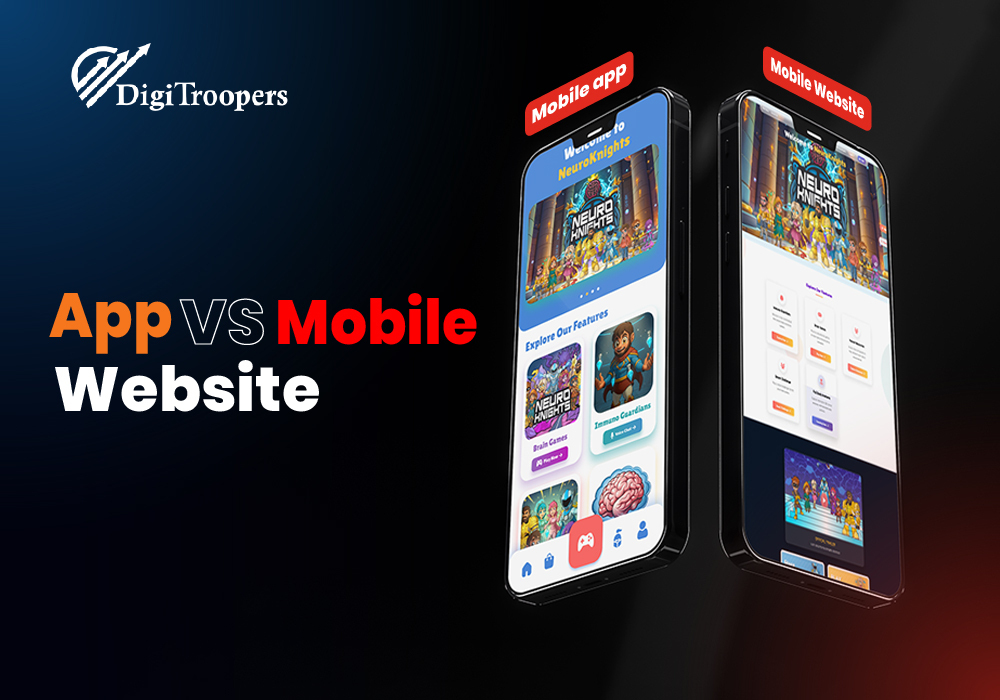
The core difference lies in how users access you. A mobile app lives on the phone. A mobile website lives in the browser. Apps feel personal. Websites feel universal. When people search, they land on websites first. When they return often, apps take over. Understanding this difference saves regret later.
Another key gap is control. Apps allow deeper customer engagement through device features. Websites focus on reach and visibility. Many USA businesses start small. They test demand. Then they expand. That path matters when deciding **Should You Build a Mobile App or a Mobile Website for Your Business?**
What Is a Mobile App and How Businesses Use It
A mobile app is installed from app stores. It can be native or hybrid. Native apps are built for iOS or Android. Hybrid apps mix web and native code. Retail brands use apps for loyalty. Fintech apps manage money securely. SaaS companies use apps for dashboards and alerts.
Apps unlock powerful mobile app features. These include push notification, camera access, GPS, and offline access. A mobile app for small business often focuses on repeat buyers. Coffee chains, gyms, and delivery services rely on apps to boost customer retention.
What Is a Mobile Website and When It Makes Sense
A mobile website opens in a browser. It adapts to screen size. This is called a responsive website. Some go further and become a progressive web app This gives app-like behavior without downloads. The PWA vs mobile app debate often starts here.
Businesses choose websites first because they are fast to launch. Costs stay lower. Updates are instant. For startups and service providers, a mobile website answers demand quickly. It also supports SEO. That matters for first-time discovery.
Understanding Your Business Model Before Choosing App or Website
Your business model decides everything. If your goal is leads, a website wins early. If your goal is loyalty, apps shine later. Many founders ignore this. They build apps too soon. Budget drains. Growth stalls. Strategy must come first.
Think about how often users return. Think about lifetime value. If users come weekly or daily, apps make sense. If visits are rare, websites work better. This clarity answers **Should You Build a Mobile App or a Mobile Website for Your Business? without confusion
.
How Business Goals Influence the App vs Website Decision
Lead-focused businesses need reach. Websites rank on Google. They attract new eyes. Retention-focused brands need tools. Apps build habits. **Customer engagement** grows through reminders and personalization.
Short-term goals favor websites. Long-term engagement favors apps. Many USA brands use both. They start with web. They move to app once demand proves real.
### Industry-Specific Considerations for Mobile Apps and Websites
E-commerce brands love apps for loyalty points. Local services prefer websites for quick searches. Startups test ideas on web first. Enterprises invest in secure apps. Subscription businesses lean toward apps. One-time services rely on websites.
Here is a simple comparison:
| Industry Type | Better Choice | Reason | |
| Local Services | Mobile Website | Search visibility | |
| E-commerce | Mobile App | Repeat purchases | |
| SaaS | Both | Access and retention | |
| Startups | Website First | Cost control |
User Experience Comparison: Mobile Apps vs Mobile Websites
User experience** defines success. Apps feel smoother. Gestures feel natural. Pages load instantly. Websites depend on browsers. Speed varies. Design feels limited. Still, good design narrows the gap.
Consistency also matters. Apps control layout fully. Websites adjust across devices. For mobile-first customers**, even small friction causes exits. Experience shapes trust.
Navigation, Design Flow, and Usability Differences
Apps use gestures. Swipes feel natural. Menus stay predictable. Websites rely on taps and scrolls. Browsers add friction. Still, modern frameworks improve flow.
Apps keep design stable. Websites must adapt to many screens. That complexity affects **user experience** and conversion rates.
Personalization and User Journey Depth
Apps remember users. They save settings. They send push notifications. They work with offline access. This builds habit. Websites personalize less deeply.
A familiar journey builds comfort. Comfort builds **customer retention**. That is why brands invest in apps once traffic stabilizes.
Cost, Time, and Maintenance: Which Option Is More Practical?
Money matters. Apps cost more upfront. Websites cost less. Maintenance also differs. Apps require updates. Stores demand compliance. Websites update instantly.
Your app development budget should match growth stage. Overbuilding early hurts. Underbuilding later slows scale. Balance is key.
Development and Launch Costs for Mobile Apps
Apps require iOS and Android builds. Testing takes time. App stores review every update. Security standards apply. The **app maintenance cost** continues yearly.
Small apps may start at five figures. Complex apps go higher. Planning avoids surprises.
Mobile Website Costs and Ongoing Maintenance
Websites launch faster. Hosting costs stay predictable. Updates roll out instantly. Cross-browser testing matters but remains simpler.
For many, a responsive website or progressive web app** offers strong value early.
Performance, Speed, and Accessibility: App or Mobile Web?
Speed shapes perception. Apps load faster. They use device memory. Websites depend on network speed. Still, PWAs close the gap.
Accessibility also matters. USA laws require inclusive design. Both options must follow standards.
Speed, Load Time, and Technical Performance
Native apps feel instant. Animations stay smooth. PWAs perform well too. The **PWA vs mobile app** choice depends on complexity.
Heavy features favor apps. Content-focused platforms favor web.
Accessibility and Device Compatibility
Websites reach all devices. Apps require installation. ADA compliance matters in the USA. Clear fonts and contrast help everyone.
Accessibility builds trust. Trust builds growth.
Customer Engagement and Retention: Apps vs Mobile Websites
Apps excel at engagement. Websites excel at discovery. Together, they form a funnel. Understanding this balance answers Should You Build a Mobile App or a Mobile Website for Your Business?
Retention depends on reminders. Apps deliver them naturally. Websites rely on email and ads.
Engagement Tools Available in Mobile Apps
Apps use push notifications wisely. They reward loyalty. Biometric login speeds access. Rewards build habits. This fuels *customer engagement*.
Habitual use increases lifetime value.
Engagement Strategies for Mobile Websites
Websites capture emails. They retarget visitors. Web push exists but adoption stays lower. Websites win first touch. Apps win long-term touch.
SEO, Discoverability, and Organic Traffic Considerations
Search engines love websites. Apps remain hidden behind stores. SEO still drives growth in the USA. Ignoring it limits reach.
Apps rely on websites for discovery. This relationship matters.
How Mobile Websites Perform in Google Search
Mobile-first indexing favors fast sites. Clean code helps crawlability. Long-tail keywords attract intent traffic. This supports **mobile customer behaviour** patterns.
Websites remain SEO champions.
App Store Optimization vs Search Engine Optimization
ASO helps inside stores. SEO helps everywhere else. Apps still need websites to rank. Visibility begins on the web.
Final Decision Guide: When to Choose a Mobile App and When a Mobile Website
The answer depends on timing. Early-stage businesses win with websites. Mature brands win with apps. Many succeed by using both.
Ask the right questions. Listen to users. Follow data.
Choose a Mobile App If Your Business Needs
Choose an app if repeat use matters. Choose it if personalization drives value. Choose it if customer retention** defines success.
Apps build loyalty and premium experiences.
Choose a Mobile Website If Your Business Prioritizes
Choose a website for fast reach. Choose it for SEO growth. Choose it for cost control. It answers demand quickly.
Many start here. Many scale later.
FAQs About Building a Mobile App or Mobile Website for Your Business
1. Do I really need a mobile app for my small business?
Not necessarily. if you want to people come back to keep comming back and engage more with your brand, an app can definitely help with loyalty. But if your goal is to reach new customers and get SEO benefits, a solid website—or even a progressive web app can do the job without all the extra hassle.
2. What is the main difference between a mobile app and a mobile website?
Think of an app like a little tool that lives on your phone it can send push notifications, work offline, and feel more personal. A website, on the other hand, is more like a shop window easy to update, accessible to anyone with a browser, and great for people just discovering your business.
3. How much does app development cost compared to a mobile website?
Apps are generally more expensive. You’ll need versions for both iOS and Android, plus regular updates and maintenance . Websites are quicker and cheaper to launch—you just need hosting and occasional tweaks.
4. Can a website provide the same user experience as a mobile app?
Websites can get pretty close, especially with progressive web app features. But apps still have the edge when it comes to smoot performance, offline access, and personal touches. If keeping customers hooked is your main goal, apps usually win..
5. Which is better for SEO and organic traffic: app or mobile website?
For discoverability, websites take the crown. Search engines love them, and you’ll attract more organic traffic. Apps, while great for engagement, rely on app store visibility and don’t get fully indexed by Google. Most successful businesses start with a website to attract users, then bring them into an app once they’re hooked.
Conclusion
At the end of the day, the “right choice” isn’t just about tech—it’s about understanding your business journey and the people you serve. In the beginning, when you’re trying to get noticed, reach matters more than anything. Later on, once you’ve built a connection, keeping those customers happy and loyal becomes the priority. That’s why so many companies in the U.S. wisely start with a website—it’s simple, accessible, and gives you the chance to reach the widest audience without over complaining things.
The real magic happens when you stop thinking about only platforms and start thinking about your users. Watch how they interact with their devices, listen to their leads, and provide solutions that make their lives easier today. Don’t worry about building the perfect app from day one—focus on building what actually. Then, when your audience starts asking for more, that’s your signal: it’s time to level up, scale, and invest in an app that depends their experience .
It’s a journey not shortcut. Start with understanding , grow with care, and the rest will follow naturally